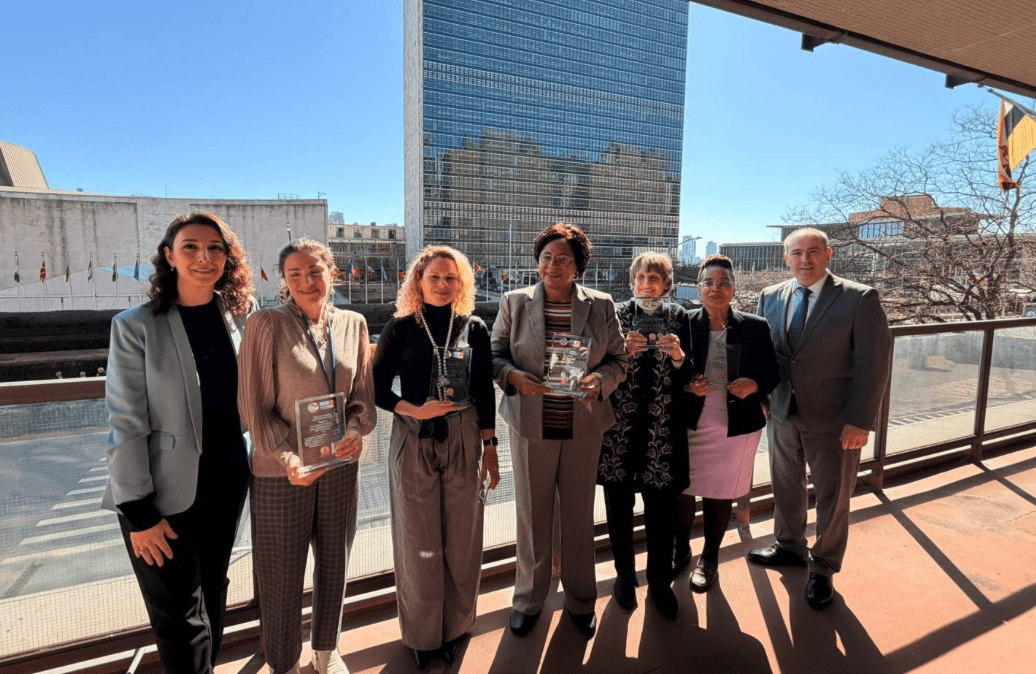
JWF CSW70 Panel
ENSURING WOMEN’S ACCESS TO JUSTICE
AND ADDRESSING STRUCTURAL BARRIERS
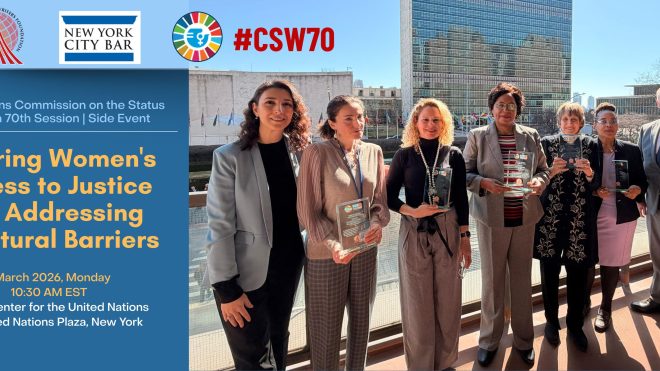
9 March 2026 | 10:30am | Church Center for the UN | New York
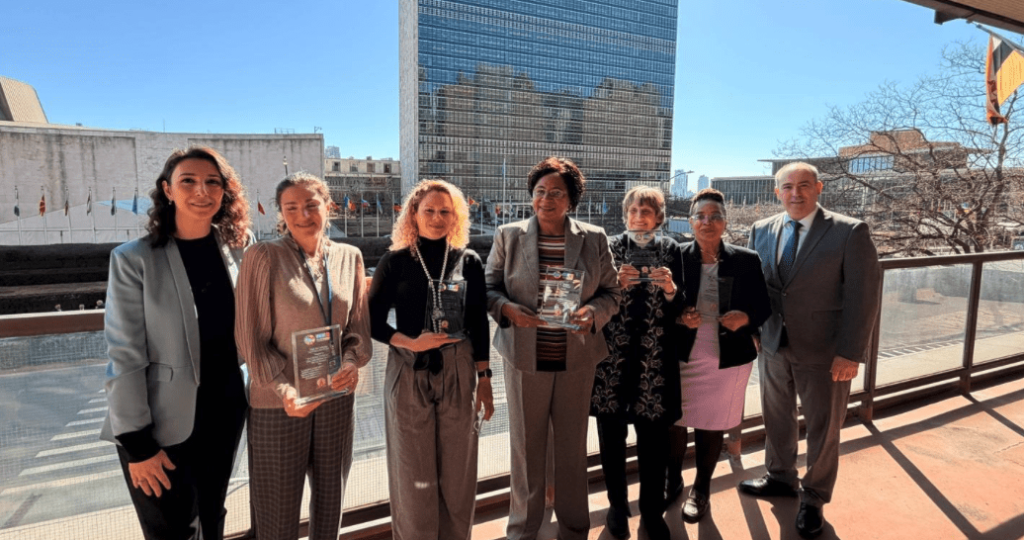
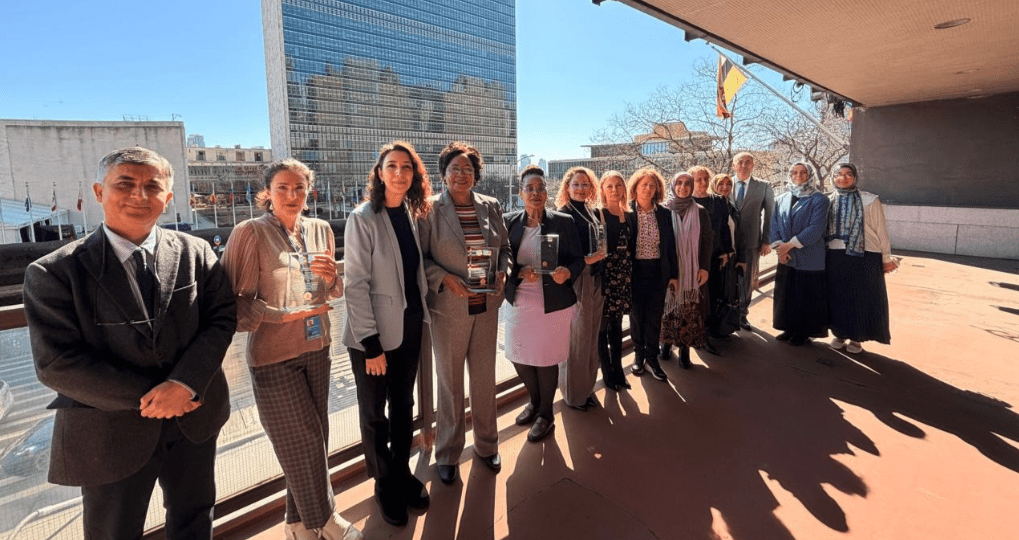
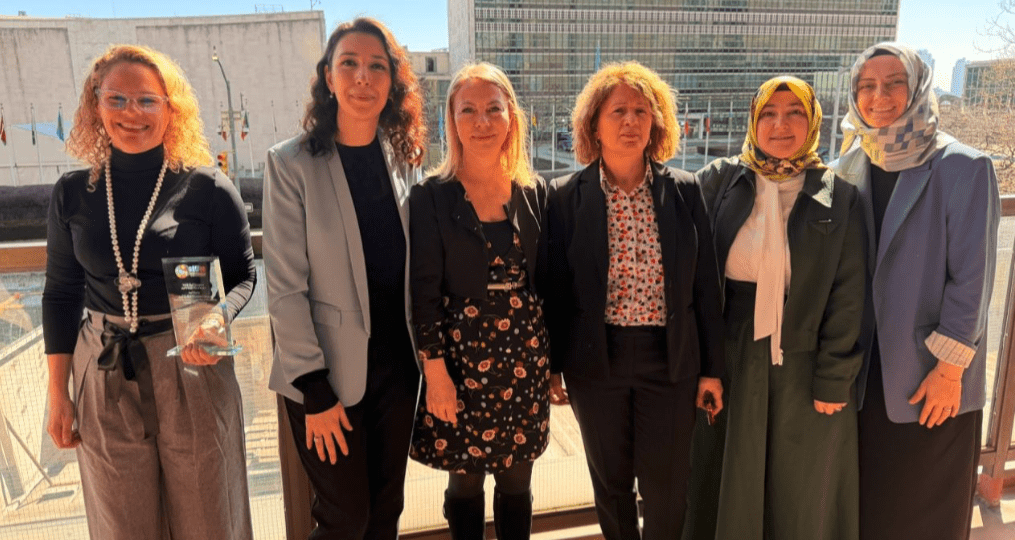
During the most inclusive and impactful women’s rights forum within the scope of the United Nations Commission on the Status of Women (CSW70), the Journalists and Writers Foundation (JWF) co-organized a total of 12 panel discussions in collaboration with 22 NGOs from 9 different countries. These events drew significant attention as a major step forward in advocating for women’s empowerment and girls’ education while promoting and protecting women’s rights globally.
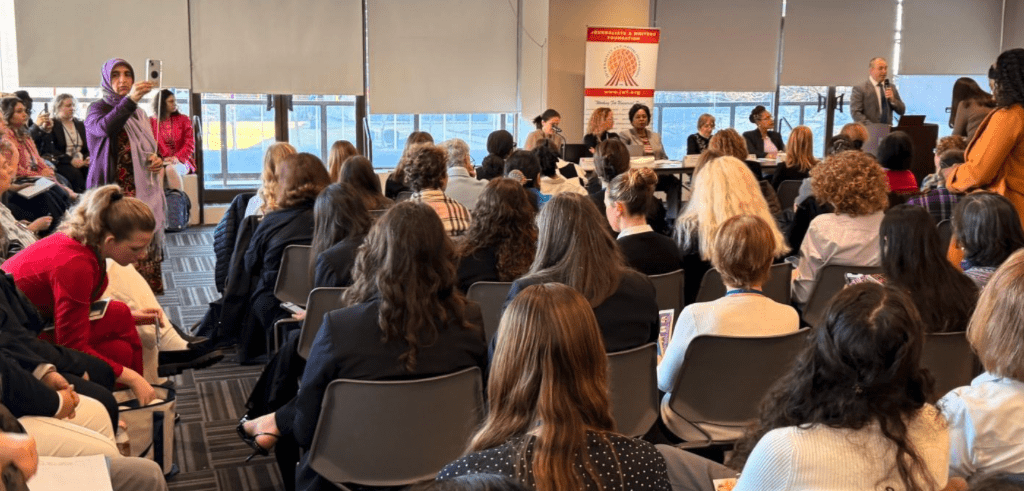
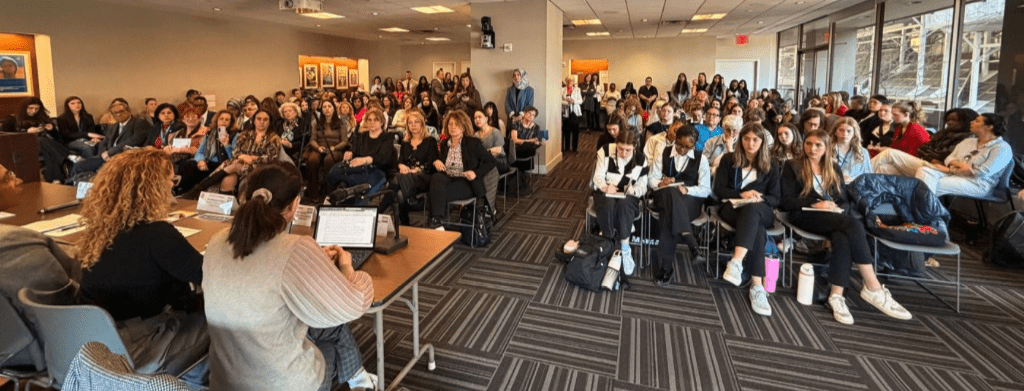
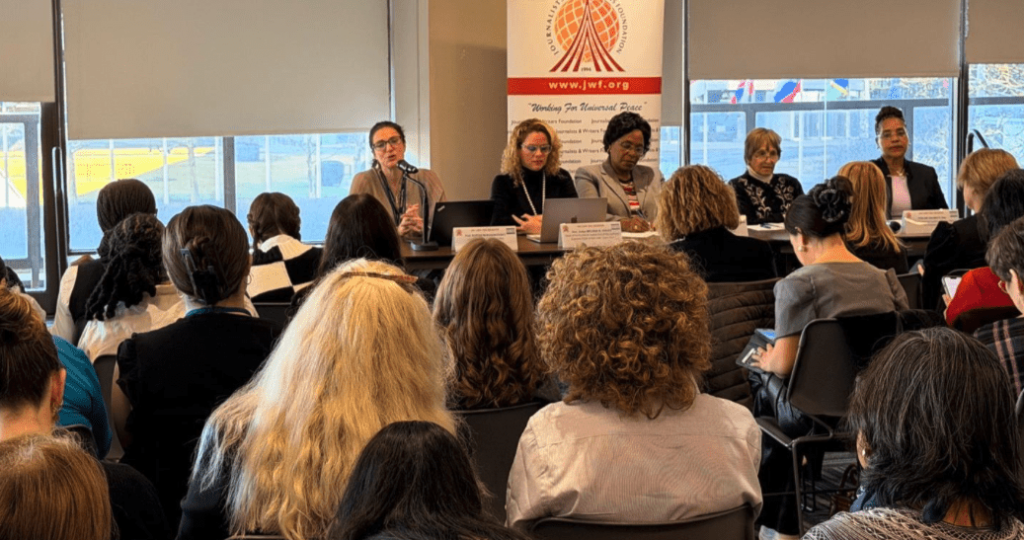
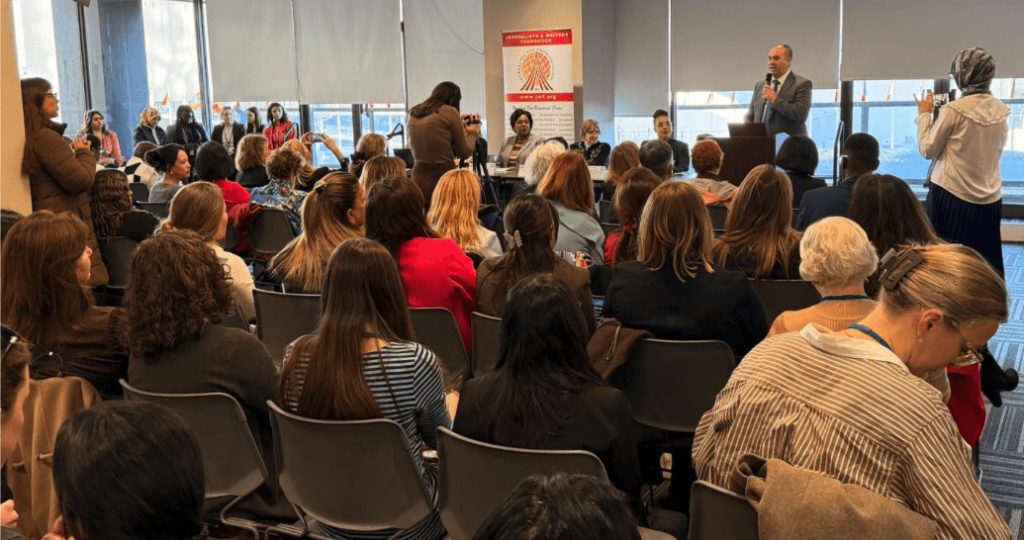
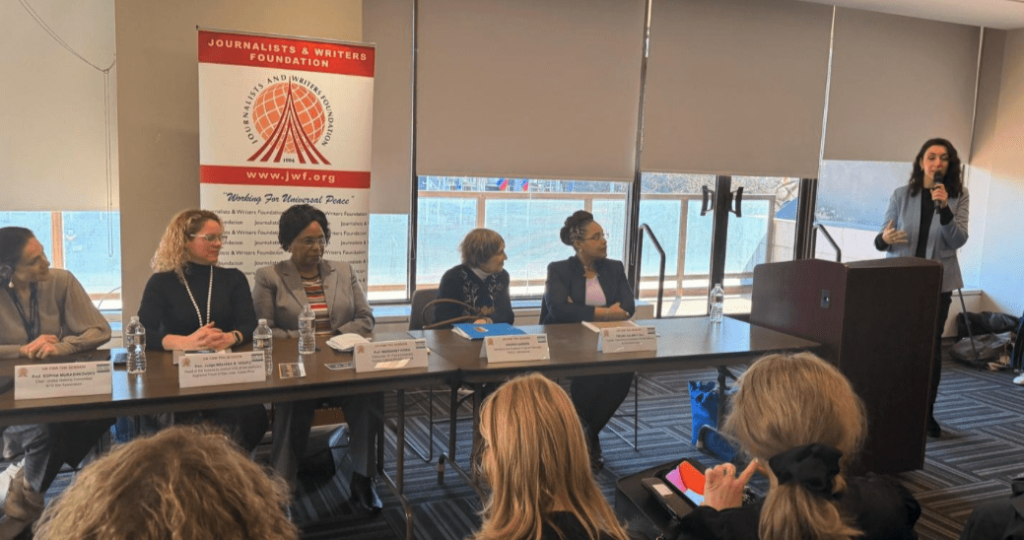
This year, the priority agenda of the 70th Session of the United Nations Commission on the Status of Women was ensuring access to justice and fair trial for women and girls. The Journalists and Writers Foundation and the United Nations Committee of the New York Bar Association organized an important panel discussion, entitled: “Ensuring Women’s Access to Justice and Addressing Structural Barriers” on Monday, March 9, 2026 at the Church Center for the UN, right across the United Nations Headquarters in New York.
For the first time in over twenty years, reports reflected that the number of autocratic regimes worldwide has surpassed the number of democratic states. This shift has particularly increased violations of human rights against women in the fields of politics, judiciary, human rights advocacy, and journalism. Women face growing discrimination, systemic barriers, online violence, defamation, and sexual abuse, with accountability for perpetrators often nearly nonexistent.
The persistence of discriminatory laws and practices, the weakening of the rule of law by autocratic regimes, and the deepening of violence, gender inequality, and stereotypes globally continue to hinder women’s access to justice and meaningful societal participation. The decline in women’s access to justice not only deepens inequality but also jeopardizes the attainment of sustainable peace.
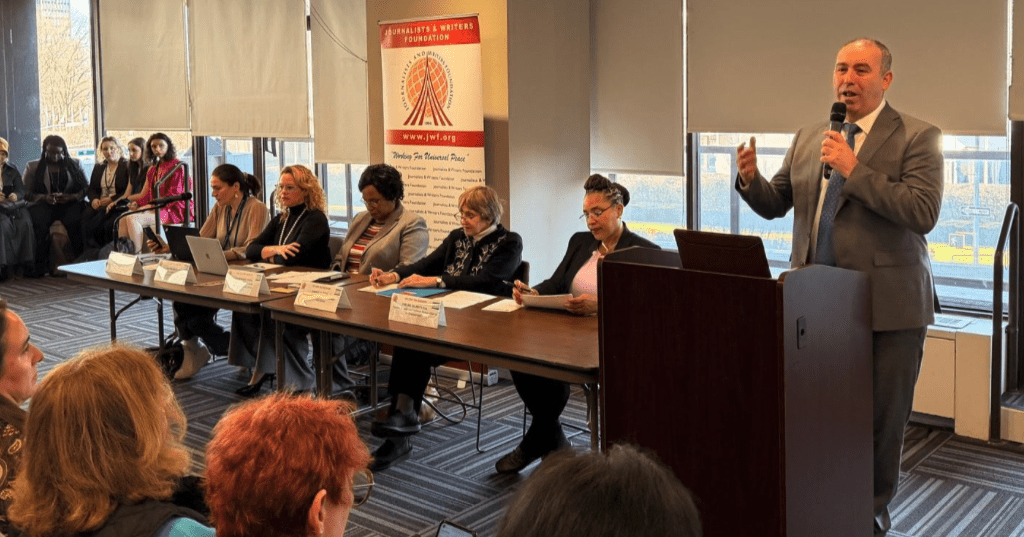
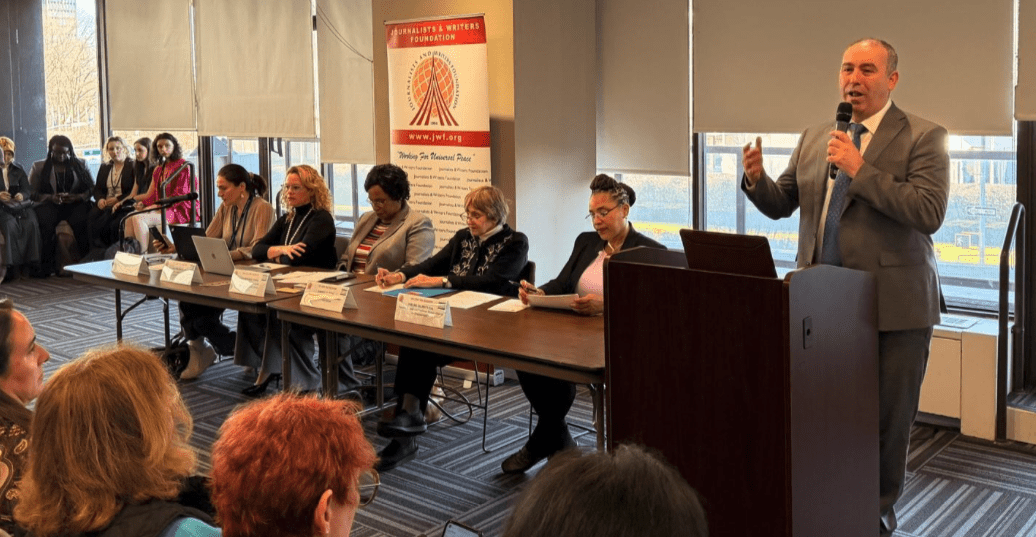 In her opening speech, Dr. Mehmet Kilic, President of the Journalists and Writers Foundation, stated that the UN Commission on the Status of Women (UN CSW) meetings are a crucial platform where women leaders and delegates from around the world convene in New York. He emphasized that awareness-raising and fostering positive social change regarding women’s rights, gender equality, and women’s empowerment require solidarity from civil society organizations as well as all women and men. Dr. Kilic noted, “As an NGO dedicated to women’s empowerment and girls’ education, the Journalists and Writers Foundation has actively participated in the UN Women’s Summit for the past 14 years. This year, we are proud to co-organize 12 panels in collaboration with 22 NGOs from 9 countries.”
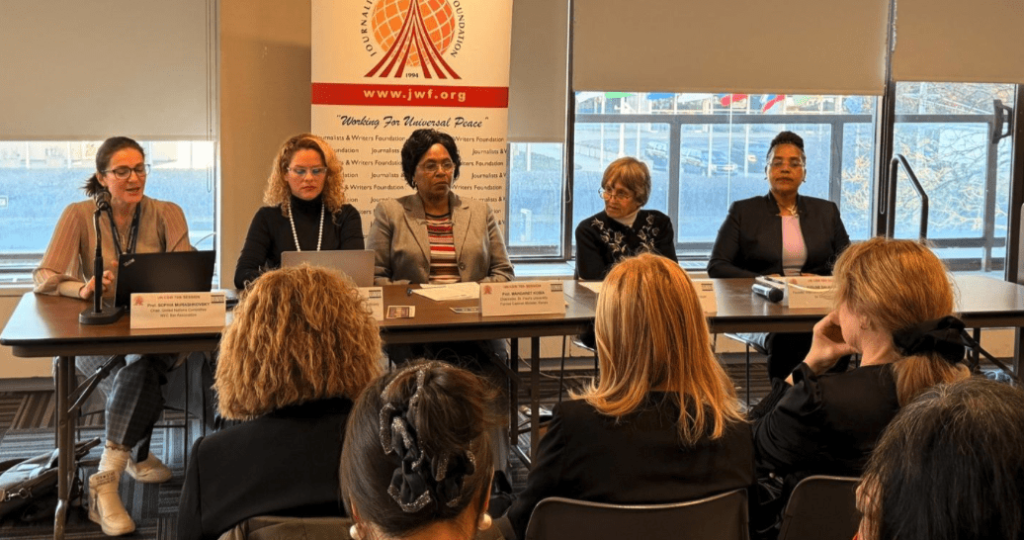
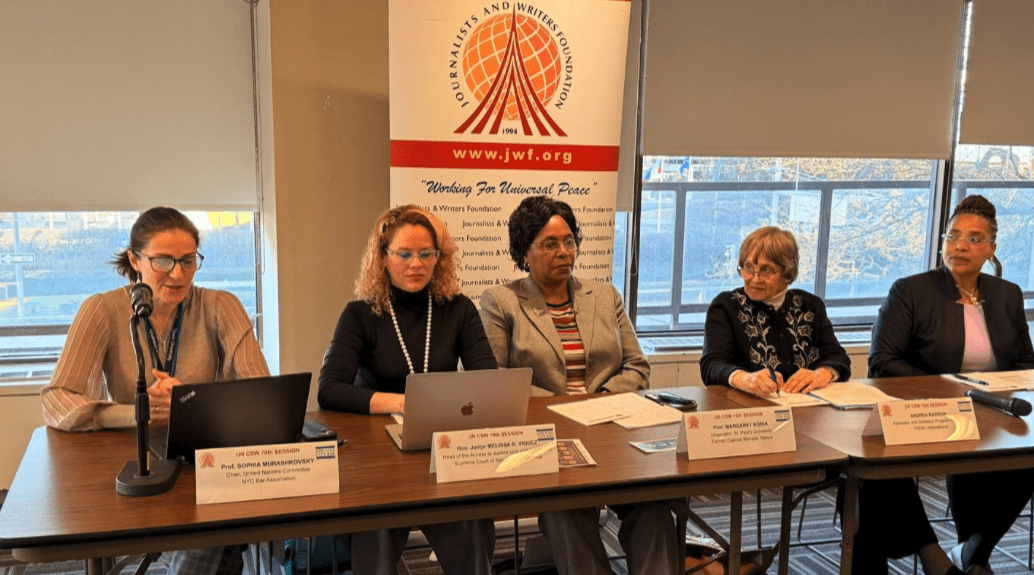 The important panel was moderated by Sophia Murashkovsky, Chair of the United Nations Committee of the New York Bar Association. Among the speakers were Judge Melissa Benavides Víquez, Head of the Access to Justice Unit at the Supreme Court of Costa Rica; Professor Margaret Kobia, former Minister of Gender, Youth, and Social Protection of Kenya and Rector of St. Paul’s University; Andrea Barron, Director of the Human Rights Advocacy and Awareness Program at TASSC International; and Yveline Dalmacy, founder of the International Caribbean Women’s Empowerment Alliance and a lawyer registered with the New York Bar.
 Professor Dr. Sophia Murashkovsky, Esq.
Chair of the United Nations Committee of the New York City Bar Association (USA)
Professor Sophia Murashkovsky, as the moderator of the panel discussion, emphasized the gap between laws on paper and justice in practice, especially for marginalized groups such as women, displaced persons, persons with disabilities, and journalists. She highlighted how authoritarian regimes and systemic erasure undermine the rule of law, targeting public women through smear campaigns, lawsuits, and digital harassment. The moderator stressed that justice is often inaccessible or superficial law without resources, independence, or enforcement is meaningless. She called for urgent action, moving beyond awareness to enforce accountability, timely budgets, and safe access to justice. Her speech underscored that justice must be tangible for women at the margins and that the international community must turn promises into deadlines, measuring real outcomes. She concluded with an invitation to panelists—judges, policymakers, advocates—to share concrete solutions and commit to turning discussions into tangible change, emphasizing that equality is a fact to be honored, not a favor to be granted.
In terms of systemic barriers to justice and silencing dissidents, she described a new “choreography of silencing,” targeting women in the public sphere through tactics like defamation, lawsuits, deep fakes, and digital harassment to undermine their voices and autonomy, which autocratic regimes see as threats.
She also stated that access to justice is a not a privilege but a right. Murashkovsky criticized superficial reforms, noting that without resources, trained personnel, and accessible systems, laws remain empty gestures. Justice is often inaccessible due to economic, linguistic, and safety barriers.
She urged that promises made in the realm of justice must become tangible deadlines and measurable outcomes. She emphasized the importance of action, accountability, and turning rhetoric into reality. For advocacy efforts and practical change, she advocates for moving beyond awareness to actual enforcement, budget allocation, and opening doors for marginalized women, emphasizing that equality is a fact to be honored, not a favor to be granted. Further, Murashkovsky called on institutions and UN agencies to heed the urgent need for systemic change, ensuring justice reaches women at the margins, and stresses that the pursuit of justice requires stamina, faith, and integrity.
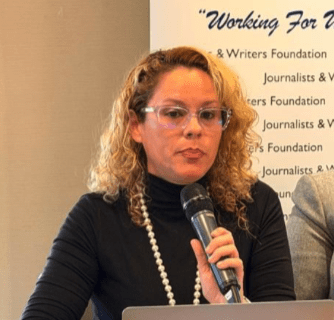 Hon. Judge Melissa Benavides Víquez
Head of the Access to Justice Unit of the Judiciary, Supreme Court of San Jose (COSTA RICA)
Eliminating Discriminatory Laws, Policies, and Practices
Hon. Judge Melissa Benavides Viques began her speech by acknowledging the crisis facing democracy today, noting a growing disillusionment, especially among young people, who increasingly distrust political institutions and abstain from voting. This discontent erodes trust in democracy, leading to populist and anti-system movements, which disproportionately impact women’s access to justice.
Judge Viquez stated that democratic discontent and apathy threaten women’s rights by weakening checks and balances, increasing gender bias, and enabling violence and inequality. She emphasized that democracy is essential for human rights and warns against populist narratives that undermine democratic principles.
Judge Viquez calls for a need for structural change and said that legal advocacy and policy reforms are vital but must be supported by cultural and societal change. Recognizing that laws are often designed by men and reflect masculine archetypes, she stressed the importance of transforming these underlying norms to achieve gender equality.
Judge Viquez offered six proposals for action:
- Representation: Women must be visible in decision-making roles through gender quotas and intersectional representation.
- Legal Reforms: Review and audit laws to eliminate gender bias and incorporate gender perspectives as a legal principle.
- Institutional Integration: Ensure constitutional and institutional frameworks reflect gender equality, including budgets and policies.
- Digital Justice: Develop accessible, secure online reporting systems with strong protections against digital violence, tailored to women in rural areas and with disabilities.
- International Coalitions: Strengthen global networks defending women’s rights, safeguard defenders, and combat threats like digital violence and repression.
- Empowering Environments: Rebuild youth confidence in democracy through inclusive participation, education, and technology, fostering a culture where women’s voices are central.
In closing, Dr. Viquez affirmed that democracy relies on women’s voices and called for ongoing efforts to sustain and promote gender equality as fundamental to democratic integrity. She concluded with a quote emphasizing that democracy is measured by women’s voices, stressing their vital role in its preservation.
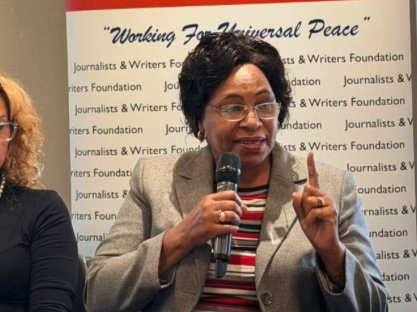 Prof. Margaret Kobia
Former Cabinet Minister for the Ministry of Public Service, Youth, Gender, Social Protection and Special Programs, Chancellor, St Paul’s University (KENYA)
Addressing Structural Barriers to Access to Justice
Prof. Margaret Kobia emphasized that achieving gender equality is essential for sustainable development. She said that without gender equality, development efforts are incomplete, leaving a significant portion of the population—women—behind.
As a practitioner, she reflected on how women’s legal rights are often violated at home, in communities, and workplaces, but many choose not to speak out due to fear, discouragement, or social norms. This silence undermines confidence and hampers women’s ability to champion change.
Regarding barriers to justice, Prof. Kobia identified social-cultural norms rooted in patriarchy, economic barriers like high legal costs and lack of documentation, and institutional inefficiencies as major obstacles to women’s access to justice. She highlighted that women owning land, for example, remains very low, limiting their power and voice.
According to Prof. Kobia, education is crucial in empowering women, providing them with skills, confidence, and agency to seek justice and challenge discrimination. She noted that women with at least eight years of education are more likely to access justice and advocate for their rights.
In her experience as a policymaker and educational leader, she observed that younger women are questioning social norms more and have hope for progress. She also added that collective women’s groups are effective in finding solutions and strengthening their capacity.
Prof. Konia called for collaboration among civil society, government, and other stakeholders to address structural barriers. She underlined that importance of sustainable funding and inclusive policies, which are necessary, and collective action at the community level can drive meaningful change.
In conclusion, she warned against passivity and urged active partnership, accountability, and continuous effort to dismantle patriarchal systems and promote justice for women. She also emphasized that progress requires everyone’s active participation.
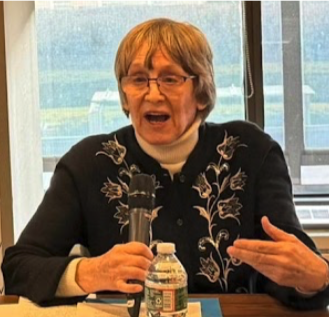 Andrea Barron
Advocacy and Outreach Program Manager, TASSC International (USA)
Access to Justice for Women and Girls
Andrea Barron explained that TASSC is working with survivors of torture, mainly from Africa, who have been persecuted for political reasons or due to their identity. The organization was founded by Sister Danna Ortiz, inspired by her own experience of torture and rape in Guatemala. Barron emphasized that her work centers on survivors of torture, highlighting their resilience and voice, and trains them to testify before U.S. Congress and other officials to advocate for justice.
Barron discussed how rape has been recognized as a war crime but is still often used as a method of torture by government agents against women opposing autocratic regimes. She shared stories of women facing sexual violence, impunity, and lack of justice.
Cases from Africa: Andrea Barron shared the case of a woman from Eritrea who was arrested after criticizing her government and was raped by a military officer during interrogation and granted asylum in the United States. In another case, she helped an Ethiopian woman, who was pregnant due to rape in prison, was granted asylum after escaping her persecutors. An Ethiopian anti-FGM activist faced arrest and violence after protesting against female genital mutilation. Women from the Democratic Republic of Congo suffered brutal sexual violence by government forces.
Case from Turkiye: Andrea Barron talked about Turkey’s misuse of counterterrorism laws. Barron described her observations from court hearings in Turkiye, where many women and girls are falsely accused of terrorism based on their activities, like studying science or practicing their religion. She recounted the case of a woman sentenced to over six years in prison, highlighting the misuse of terrorism charges to silence dissent.
Andrea Barron detailed her observations from court hearings in Istanbul, Turkey, where she witnessed the misuse of counterterrorism laws to unjustly prosecute women and teenage girls. She explained that the Turkish government has been falsely accusing many women, including teenage girls, university students, mothers, and grandmothers, of terrorism and attempting to overthrow the government, particularly targeting individuals connected to the Hizmet Movement, a civic movement committed to education, dialogue, and humanitarian relief; however, the Turkish government claims that the movement was behind the 2016 staged coup attempt, despite lacking concrete evidence.
Barron described her experience attending the “teenage girls” court sessions in Istanbul over 18 months, noting the unusual and unjust procedures. Instead of examining evidence of violent acts or terrorism, the judges questioned the defendants about their everyday activities, such as studying science and math, reading the Quran, going to the movies, or shopping, treating these daily, peaceful activities as evidence of terrorism. This approach indicated a clear pattern of arbitrary and politically motivated charges.
She highlighted the case of 41 women and girls, many of whom were students or young women, who faced charges based solely on their participation in routine activities or their associations. In one particular case, a 52-year-old woman was sentenced to over six years in prison. She had been targeted because the regime perceives educated women as a threat, believing that women who ask questions challenge authority.
Barron shared the story of a 25-year-old young woman, university student, who was strip-searched down to her underwear during detention, a humiliating and invasive process. According to Barron, this university student bravely testified in court about her experience to prevent similar treatment of younger women in the future. Despite the lack of evidence linking them to violence or terrorism, many of these women were convicted, often based on their personal habits or religious practices.
She also recounted the case of another woman who, after being sentenced, suffered from serious health issues, including a liver transplant from her son and a diagnosis of Parkinson’s disease. Her daughter, also a defendant, was acquitted, and her young daughter expressed admiration for her mother’s bravery.
She also added that, in response to these unjust trials, the United Nations and various human rights organizations, including UN special rapporteurs and working groups, issued a Joint Statement condemning Turkey’s misuse of counterterrorism laws. The statement by the UN called for the acquittal of those falsely accused, particularly highlighting the case of women and girls who have been targeted solely for their religious practices, education, or activism.
Barron concluded by urging Turkey to uphold justice by releasing and acquitting the women and girls imprisoned on false terrorism charges. She emphasized that while terrorism is a real threat, its unwarranted and broad application against dissidents undermines democracy and human rights. Her overarching message was a call for governments worldwide, including Turkey, to create a future where women and girls have full access to justice, free from political repression and false accusations.
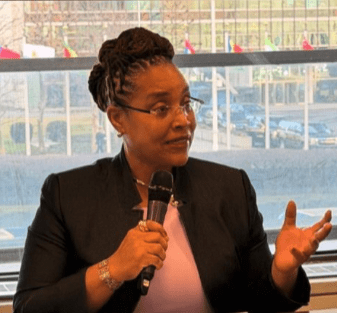 Yveline Dalmacy, Esq.
Founder, International Caribbean Women Alliance for Empowerment (USA)
Promoting Inclusive and Equitable Legal Systems
Yveline Dalmacy began her speech by acknowledging the importance of democracy and justice, and extended her condolences to Major Sorffly Davius, a Haitian American soldier who recently died in Kuwait, emphasizing respect for those who serve.
She highlighted the importance of legal protections and implementation that although many countries have expanded laws protecting women’s rights, the key challenge remains ensuring these rights are not only written into law but are accessible, enforceable, and effective in practice. She noted that globally, about 64% of women’s legal rights are recognized compared to men, but many women still lack meaningful access to justice.
Dalmacy emphasizes disparities in access to justice that is often hindered by geographical, economic, linguistic, and social barriers. She gave an example of women in the Caribbean and elsewhere where they have to travel long distances, lose income, or face risks of violence to seek justice. She also stressed that undocumented women face additional fears of deportation, discouraging them from reporting abuse.
Regarding structural barriers and challenges, Dalmacy discussed how social stigma, economic inequality, court delays, complex procedures, and fear of retaliation prevent women from pursuing legal remedies. Addressing these structural barriers is critical to making justice inclusive and effective.
Dalmacy called on change for several reforms, including expanding legal aid, providing training for law enforcement and judicial personnel on gender-based violence, utilizing digital platforms to reduce delays, and establishing survivor support services. She said that these measures could help translate legal commitments into tangible protection.
Dalmacy outlined three pillars of justice reform for effective justice systems:
- Legal Recognition: Governments must ensure that laws and policies protect rights.
- Institutional Capacity: Government must equip courts, police, and legal institutions with training, resources, and coordination.
- Accessible Justice: Governments must ensure that legal processes are affordable, linguistically accessible, and community responsive.
Dalmacy called for an alignment between the justice system and the UN Sustainable Development Goals (SDGs). She suggested that justice reform should be aligned with SDG 5 (gender equality and ending violence against women) and SDG 16 (peace, justice, and strong institutions) that will strengthen courts, expand legal aid, and ensure gender-responsive justice serve both goals.
In conclusion, she emphasized that the strength of a legal system is measured by whether rights are translated into real protection for people, not just written in laws. Achieving real protection requires accessible, equitable, and effective justice mechanisms that serve all, especially marginalized women and girls. Finally, Dalmacy underscored the importance of turning legal frameworks into tangible outcomes, advocating for justice systems that work in practice as well as on paper, to build fairer and more inclusive societies.